News
Cross Hands Public Hall and Cinema
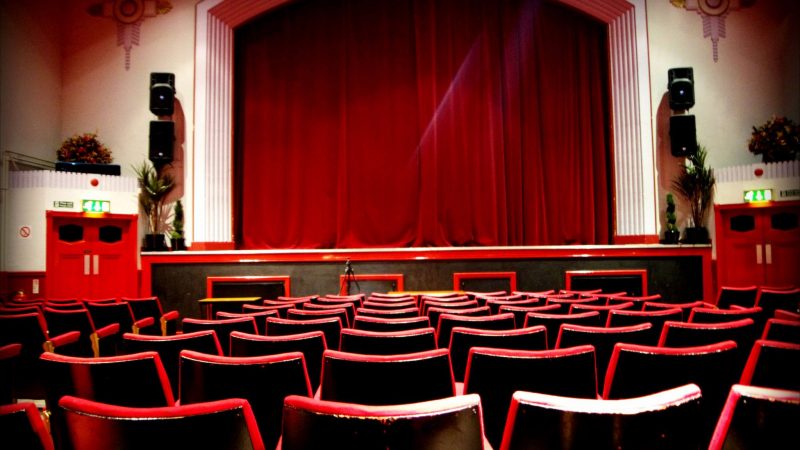
Beautiful local cinema continues to strive to survive
1 October 2026.
Written by Dr Kirsty Bilski Trustee & Secretary Cross Hands Hall, Cinema and Community Centre
A small Community Charity called Cross Hands Hall, Cinema and Community Centre (Registered Charity Number 524018) who began life funded by the Miners institute, whereby the miners contributed a small sum from their weekly wage to create a community facility for all to enjoy.
The original building was built in 1904 and was further refurbished in 1932. The building was gifted to the community for recreational enjoyment and for the furtherment of charitable works to support the community. It has been hard going in recent years but they are striving forwards, they have a committed volunteer group who bring a multitude of individual skills to the team. They have been developing the repertoire of films, live performances, and events and their volunteers are full of enthusiasm, commitment and energy to support the development of future plans.
We are not only ‘surviving’ now but we are starting to ‘thrive’. Our volunteers, fundraisers and employees are dedicated to providing opportunities for the local community to come together, to mitigate against loneliness and isolation and to support our deprived community.
On 24th October they are planning a Family Variety Show in aid of the charity to raise funds for the upkeep of the building and to support their ongoing work. This will be a bonanza of a production, tickets are available either online or from the box office. Here is the link to the website where you can book tickets for the event: https://www.crosshandshallandcinema.co.uk/store/p/the-history-of-music-variety-show-part-2
This is an opportunity for the local community to support efforts to maintain this amazing charity for the future. Please come along for a warm welcome, some great entertainment and a chance to be a part of this special event to help secure their future. A fabulous line up and the promise of an enjoyable evening.
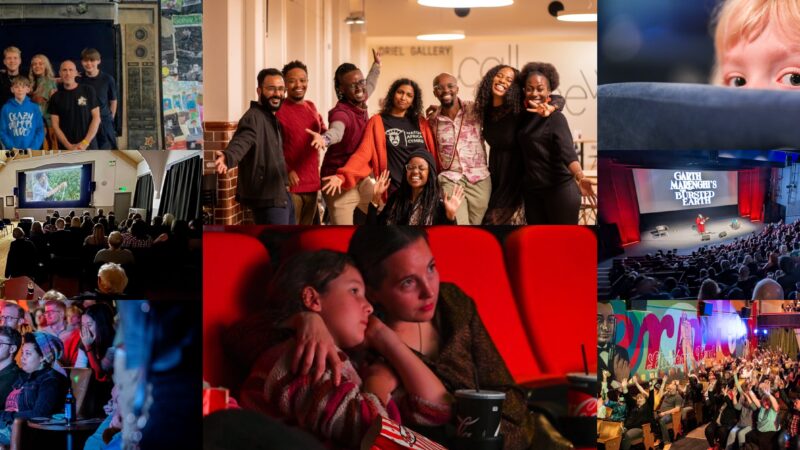
National Lottery Funding to Reach Communities Wales wide through Cinema in 2026
2 September 2026.
Film Hub Wales (FHW) has allocated almost £170,000 of BFI National Lottery funding to twenty-six independent Welsh cinemas, film festivals and community screens, through thirty-one projects, via three funding strands: Spotlight, the Film Exhibition Fund and Rip it Up.
Funds will make a difference to the lives of local people, who will be able to watch the latest UK independent and international films on their doorsteps, at affordable prices. From environmental films strands curated by young people, to Welsh film seasons celebrating 130 years of cinema in Wales, audiences can socialise and support beloved spaces at the heart of their neighbourhoods.
In South West Wales, a new three year ‘Spotlight’ project led by Wales One World Film Festival (WOW) will build community film screenings in towns and villages such as Lampeter, Hermon, Newport and Newcastle Emlyn where rural audiences face long or impractical public transport journeys to access screen culture.
Amy Daniel, Spotlight Coordinator explains why the funding will be transformational at a local level:
We will mentor volunteers and ambassadors who will go on to shape and lead cinema provision in their communities, meaning it belongs to them. We’ll also work closely with established venues in the region to exchange knowledge and build cinema going across the bordering counties, supporting access to culture as well as the local economy. It’s rare to secure funding for longer-term projects and this means we can create change.
Twenty-four projects have been supported through FHW’s Film Exhibition Fund, from the oldest running film society in Abergavenny, to Galeri Caernafon’s new audience strategy which includes a community led Film club (SineGlwb) and Ffilms Er Newid (Films for Change) delivered in collaboration with local groups. In Ystragynlais, The Welfare’s Screen Social strand will break down societal, health, financial and other barriers to attending the cinema and across Wales, Sheba Soul’s Youth Climate Lab will encourage young people to understand the roots of environmental crises through film and design simple, collaborative, community actions in response.
Hana Lewis, Head of Film Hub Wales explains why this work is so important:
As well as bringing the best films to Wales, something that many of our supported projects have in common is that community groups are taking an active role in the delivery of their local cinema activities. Such as the ‘community collaborations’ season at the Torch Theatr which runs throughout Second Hand September and Disability History Month, or Cardiff Animation Festival’s curatorial work with young asylum seeker and refugee families at Oasis Cardiff. Independent cinema is a great tool for local people to get involved in creative activities on their doorsteps. Their voices help to shape the direction of culture in that place and in return cinemas offer crucial social and well-being services that reduce isolation and generate local income.
Also taking place in 2026 is Rip It Up – a BFI FAN UK-wide season which celebrates the changing face of youth culture and expression on screen, from joy and friendship to heartbreak and rebellion. In Wales, eight partners will deliver projects up to October 2026. At Chapter, Cardiff, there will be three strands including Hei, Mr Urdd! – a selection of films from the Welsh broadcast archive celebrating youth culture, with Welsh language discussion. At Cellb in Blaenau Ffestiniog, Video Hud will ‘turn up the volume,’ exploring Welsh subcultures from the 1990s Cool Cymru movement to today’s emerging DIY creative scenes – combining archive film with new youth-made work, screenings, discussions, live music and participatory activities.
Rosemary Adjoa Dery Watch Africa Film Festival Producer, explains how their ‘Young, Black & Bold’ project will enable young Black Welsh voices to shape the future of film culture:
Creating spaces where young Black creatives can come together, see themselves reflected on screen, share ideas and explore their creativity is incredibly important. Through this programme, we want to make a bold statement: Black stories, Black voices and Black creativity matter here in Wales. We belong in these cultural spaces, and we should feel empowered to take up space within them. Working alongside like-minded organisations such as Butetown Pavilion and Butetown Carnival allows us to connect different communities, ideas and creative practices, while our partnership with Chapter will build bridges with people who may not have felt that an arts centre was a space for them.
The projects come at a time when Welsh audiences have an opportunity to make their voices heard, telling the Government’s Department for Culture Media and Sport (DCMS) exactly what impact cinemas have on their lives through the National Lottery Good Causes: Fund what matters to you survey, which is open until the 23rd of September 2026.
The projects are supported by Film Hub Wales, which is part of the BFI Film Audience Network (FAN) allocating funds from National Lottery Good Cause funding to ensure the greatest choice of cinema is available to everyone across the UK. Funds in Wales are administered by FHW via Chapter as the Film Hub Lead Organisation.
More than £30M is raised each week for good causes across the UK by the National Lottery.
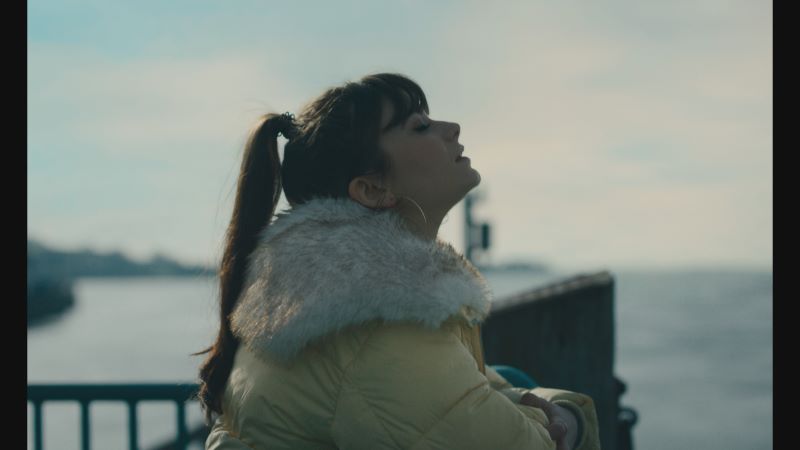
Where’s the Welsh Cinema?
Nia holds a doctorate from Aberystwyth University and works at the Screen and Sound Archive of the National Library of Wales. She is the co-director of the Abertoir Horror Festival, a programmer for the Wales One World Film Festival and contributes regularly to events and publications on film. Throughout her career, Nia has specialised in issues of representation, inclusion, and access.
Though there were pioneers of cinema working in Wales in the medium’s earliest days, it was 1935 before the first Welsh language film was produced, namely Y Chwarelwr (Ifan ab Owen Edwards), and over a decade later came the next: Yr Etifeddiaeth (John Roberts Williams, 1949) and Noson Lawen (G. Mark Lloyd, 1950).
Two decades later, some of the nation’s greats recognised the power of cinema in the fight for language rights and established the Welsh Film Board. Despite their heroic efforts in the 70s and 80s – which included producing cult films Gwaed ar y Sêr and O’r Daear Hen (Wil Aaron, 1975 & 1981) – there was little official support for their work.
A century after Y Chwarlewr – filmed in the same area – comes Effi o Blaenau, directed by Marc Evans and adapted by Gary Owen from his stage play, Iphigenia in Splott.
The Welsh language has received some relative prominence on the big screen very recently, thanks in the main perhaps to Gwledd (2021) and Y Sŵn (2023), both collaborations between director Lee Haven Jones and writer Roger Williams. It’s unusual, however, that Effi reaches the big screen less than a year since another Welsh language film – namely Tanau’r Lloer (Chris Forster, 2025). The last time this happened, as far as I know, was a decade ago, with Yr Ymadawiad (Gareth Bryn) and Y Llyfrgell (Euros Lyn); and before that, 2008. It’s very rare to get to see more than one Welsh language film in cinemas in a year, if even that.
Since the arrival of S4C in the 80s, and official recognition for Welsh language rights, the last four decades have seen what feels like significant screen activity in Welsh. It’s fair to say that the small screen dominates in this regard, whether that’s television, computer or phone. We’re fortunate in Wales that so many independent cinemas are willing and able to hold special, even one-off, screenings, as this is often the only way to see Welsh language films on the big screen. Rare are the Welsh language films that are widely released, by a ‘major’ distributor.
There is a loss to culture when its imagination cannot be seen on the big screen. For some there might not be a difference between watching a film in the cinema and watching a series on their phone, but that’s a sad perspective. Being able to come together, to watch and listen to ourselves, in the sacred space of the cinema, is an experience that cannot be recreated elsewhere, no matter how good our home entertainment systems.
Without hearing the Welsh language – and all its accents and dialects – in the cinema, an idea grows that there is no such thing as a Welsh language film and that the cinema is not the place for its speakers. There is a cultural void, for us, and for the rest of the world.
I’m not from Blaenau Ffestiniog, but perhaps one of my favorite things about Effi, as well as its gripping story and brilliant performance by Leisa Gwenllian, was how familiar it felt. From the tunnels of the A55, to Victoria Dock, to nain watching Dechrau Canu, Dechrau Canmol, to every single Welshified swear word that comes from Effi’s mouth, the film, despite its tragedy (she’s based on a Greek heroine, after all), is comfortable.
The sheer pleasure of recognizing locations, characters, familiar vocabulary in a film is unparalleled. No matter how cynical one gets, the frisson of recognising a little something of ourselves in a film is important. Being able to do that in a cinema full of other people seems even more essential. It creates a temporary community, in the dark, allowing for cultivation, creation, and reinforcement of communities in the light of day.
Effi o Blaenau is coming to cinemas across the UK from June 19, 2026, with its Welsh premiere at Cellb on June 17.
The film has various connections to Wales including director Marc Evans, producer Branwen Cennard and a cast featuring Leisa Gwenllian, Tom Rhys Harries, Owen Alun, Nel Rhys Lewis, Mared Llywelyn and Sion Eifon. It was filmed in Blaenau Ffestiniog, Caernarfon, Port Talbot and was funded by Creative Wales and S4C.
This article was commissioned by Film Hub Wales as part of its Made in Wales project, which celebrates films with Welsh connections, thanks to funding from Creative Wales and the National Lottery via the BFI.
This article was first published in Buzz Magazine.
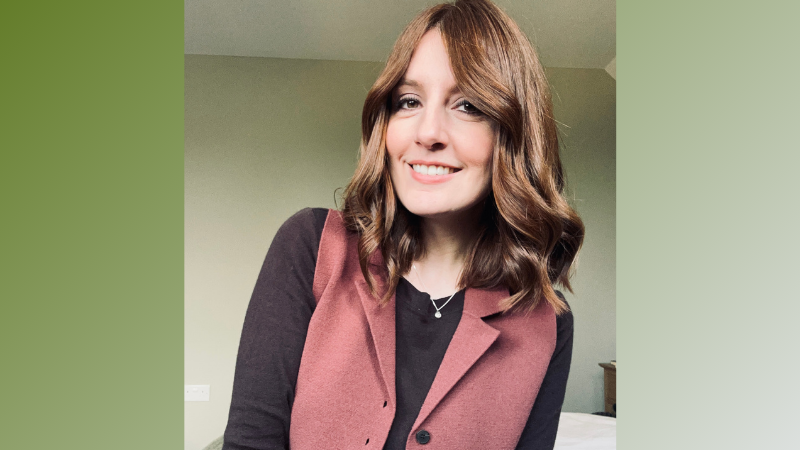
Why we can’t afford to lose Welsh Cinemas
By Hana Lewis, Head of Film Hub Wales, first published in Business News Wales
I spend a lot of time thinking and talking about the business of cinema going. I lead a project at Chapter Arts Centre called Film Hub Wales, one of 8 UK Hubs supported by the BFI Film Audience Network, awarding National Lottery funding. Our job is to fund, train and advise Welsh cinemas, film festivals and community screens.
Sometimes when I explain what I do, people ask me – ‘is the era of cinema not over?’ My answer is always the same. Absolutely not. In fact, in April 2026, cinemagoing in Wales celebrates 130 years, with sites like Neuadd Dwyfor (Pwllheli) approaching their 125th anniversary and Brynmawr Market Hall at their one hundred and thirty-second. Their time is far from over, in fact, they’ve evolved to the ever-changing needs of our communities and in many cases, become the heart of the high-street and local economy.
People are also often surprised to hear that we have more than 80 Welsh commercial, independent and mixed arts venues, with a commitment to cinema. In some other predominantly rural nations you might find one or two cinemas but not in Wales. The established venues largely follow the coastal path, meaning they play an important role for tourism. They might be one of only a small number of places open to holiday makers that show the cultural history of Wales, as well as offering entertainment services, from bars to cafés and special events. Their activities often benefit surrounding charities and businesses, such as hotels and restaurants.
It should be enough that they bring the best UK, including Welsh, and international film to audiences across Welsh doorsteps but they don’t stop there. Cinemas often offer a rare chance to work in the creative industries in both rural and urban parts of Wales. The Magic Lantern cinema for instance, develop the careers of young creatives in Tywyn. They also offer services such as food and companionship for vulnerable members of the community on national holidays. My local cinemas certainly didn’t offer this when I was growing up. The BFI and Creative PEC’s 2023 report which measured the economic value of cinema found that the estimated market benefits expressed through Gross Value Added to the UK economy, is £1.18m per cinema per year. Furthermore, each local UK cinema generates around £600,000 in added social value annually.
A series of wider reports, including the UK Culture, Media and Sport Committee and a Welsh Parliament Committee report on A Decade of Cuts, also recommended increased Government funding for cinemas to recognise the vital role they play at the heart of communities, as well as investment into wider cultural spending in Wales.
We literally can’t afford to lose these vital spaces but arguably, we continue to overlook their contributions. Our screen sector in Wales is a production focussed one. 2024 statistics from Creative Wales showed an annual turnover of £1.7 billion in that year alone. The Creative Industries are undoubtedly a powerhouse for Wales. Since 2020, £35 million in funding1 has been awarded to 74 screen and digital projects. Sustained funding for film exhibitors to engage with works such as these (as well as all their wider film programmes) is essential, to give films a chance of reaching audiences and making a return on investment.
If we fail to support our cinemas, this arguably has an impact on the future of Welsh film itself. How will audiences know to seek out these films and spend in local spaces, if we don’t invest in the mechanisms that enable them to be seen? With the support of the BFI and Creative Wales for our Made in Wales project, we are working to explore how we can better promote Welsh films in cinematic environments. In our recent Future of Welsh Film Survey, 97% of filmmakers said it was important to them that their films are seen on a big screen but we have limited Welsh funds to support the distribution or marketing of films here. So cinemas have a big job to do. With around 26 films released daily worldwide, the competition for screen space is fierce. Cinemas have to work hard to balance the creative, cultural and economic decisions that keep their doors open.
Cinema admissions saw a 2% increase from 2023 to 2024 but have not yet returned to pre-pandemic levels. We can’t take them for granted. When we have impressive sites like the newly renovated Clwyd Theatr Cymru or Maesteg Town Hall to choose from, as well as cinema treasures like the Monmouth Savoy and Brynamman Hall, it’s hard to understand why we ever would. The Magic Lantern even brought home the BIFA UK cinema of the year award in 2025, beating over 130 UK entries. Never underestimate Wales, or the power of a cinema with a community behind it. In the words of our friend, colleague and Welsh cinema pioneer Emyr Glyn Williams, ‘cinema belongs to all of us’.
Hana is a film exhibition specialist, having led the Hub since 2014. Before this, she worked in exhibition for a number of organisations across the UK from Ffilm Cymru Wales to the Cinema Arts Network, Flatpack Film Festival and Leeds International Film Festival. She has an MPhil in American Film and literature from the University of Birmingham. Find out more about Film Hub Wales on their website.
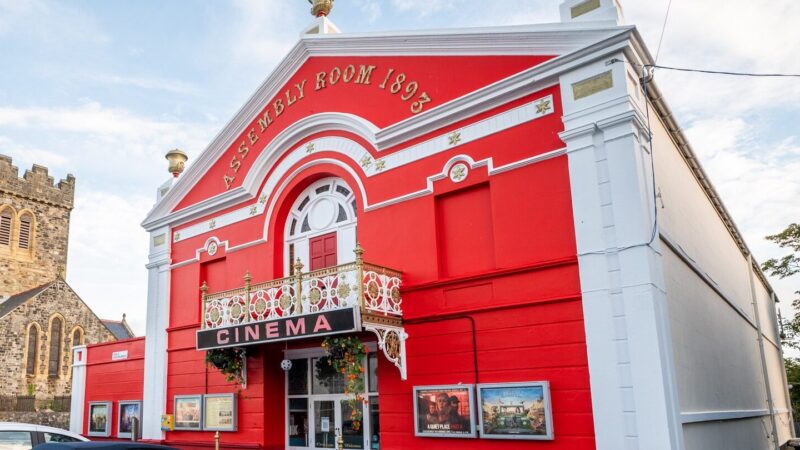
Independent Cinemas are the Heart of the Leisure Sector
By the Magic Lantern Cinema, Tywyn, first published in Business News Wales, 8th May 2026.
Independent cinemas are essential to the leisure sector and local economies but are also a critical part of the social and cultural fabric of our lives.
Here in mid-Wales, our community often reminds the Magic Lantern – through words, actions and spend, what we mean to them.
There are many fabulous cinemas across Wales and the UK, so we were hugely honoured to be selected as the first ever BIFA (British Independent Film Awards) ‘UK Cinema of the Year’ in November 2025. We were short-listed alongside 4 other UK cinemas and film industry representatives based their decision on information we supplied, as well as voter comments.
We received a massive wave of support and the second round of public voting brought the award home here to Tywyn on the west coast of Wales, giving a big boost to the town’s sense of place.
Our strong presence in Tywyn is felt not only through our bright and beautiful building but through the diversity and dynamism of what we offer visiting and local audiences.
Even before the BIFA award, people would frequently say how proud they felt of ‘their’ cinema, and new businesses in town say they have been inspired by our ambitious programme, improvements and innovations, building a strong year-round business from one that had previously focussed on tourists and school holidays.
We play a mix of films at the Magic Lantern, that in June for instance, will range from global blockbuster ‘Star Wars: Mandalorian and Grogu’ to independent films made in Wales, such as ‘Effi o Blaenau’ and classics such as ‘Back to the Future’.
Diverse films are the life-blood of an independent cinema, bringing a varied group of people through the doors, meaning we avoid dependency on one audience demographic and income. A creative programme also benefits our team spirit, staff retention and business profile.
Our team works to keep our cinema experience fresh. Screenings are often complemented with a talk or discussion, craft workshop or live performance – maybe even a beach-clean, a treasure-hunt, a circus workshop, a clothes swap, a chocolate tasting… or an appearance from a horse, a giant panda or a pantomime camel!
An essential part of the Magic Lantern experience is ‘connecting’. Community outreach and having staff who take time to chat a little is of the utmost importance to our audiences. In knowing they are valued, people feel connected. The ambience at the cinema is a highlight for people. Yes, we show great films and have great events, we serve wonderful cocktails and ice-creams plus lip-smacking snacks and treats – but the most talked about feature of the Magic Lantern is always the friendliness of the team. It’s a great place to meet and make friends!
Diverse income streams are important. People can buy our merchandise, or book us for birthdays, weddings and wakes. Venue hire at the Magic Lantern works well for large meetings – we have a fantastic screen for presentations!
We make the most of digital advances to bring in new audiences, booking fabulous theatre from NT Live, art from Exhibition on Screen (‘The Playboy of the Western World’ and ‘Frida Kahlo’ are next up) and incredible opera, ballet, pop concerts and musicals from a range of distributors.
We include a healthy selection of live performance in our programme – whether comedy, story-telling, theatre or our regular ‘Friday Night is Music Night’ which is free and provides an outlet for a whole realm of mostly home-grown musical talent. A monthly highlight of the ‘FNIMN’ is the Open Mic Night, which has offered many people – mostly young – their first opportunity to perform in front of an audience.
We are optimistic that our programme of celebrations for our 125th anniversary this year will draw local audiences but also tempt visitors from Wales and even further afield. They can enjoy our ‘throwback Thursdays’ during summer with classics like ‘Singing in the Rain’ or ‘Dirty Dancing’. Who could possibly resist our shoulder-season shenanigans as we create a piano jazz bar for a screening of ‘Casablanca’, an American Diner for ‘Grease’ and a beautiful experience around ‘The Adventures of Prince Achmed’ with a live score by Hugo Max!
People go to the pub over the road if they fancy a pint, book a meal at a local restaurant, or grab some lunch or a coffee and cake with friends at one of the great local cafes before or after a film. What is important is that local people come to town as a result of the Magic Lantern. They spend, they socialise and they know that Tywyn is a great place to visit, live and go out! Venues like ours breathe life into towns.

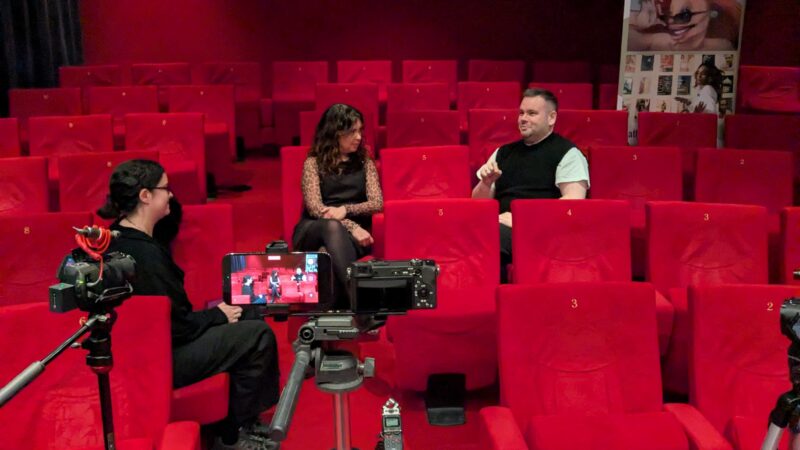
The Future of Welsh Film: Podcast and Video Blogs
Wales celebrates 130 years of cinema in 2026.
The big screen has been home to the pioneering films of William Haggar and Arthur Cheetham from the early 1900s, right through to the latest releases like Effi o Blaenau and Madfabulous.
We’re running celebratory activities throughout the year, including a very special Made in Wales podcast and a series of video blogs from Welsh film festivals and cinemas about their hopes for the future of Welsh film…
Press/film exhibitors can contact us for downloadable versions of all assets.
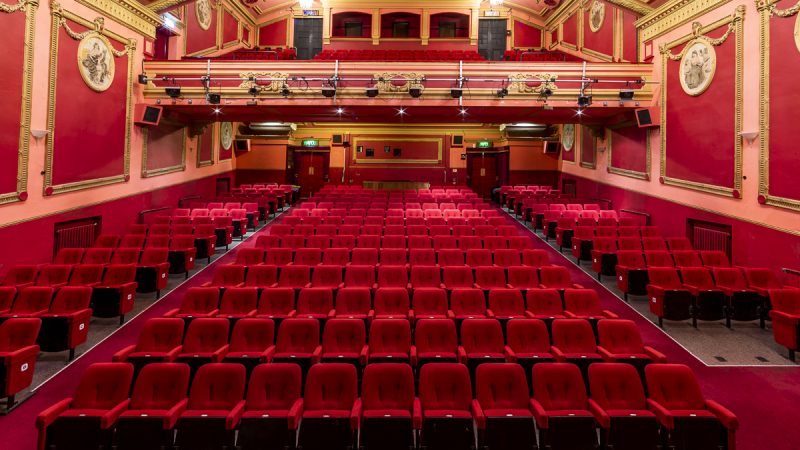
Wales’ Cinema Treasures
Wales celebrates 130 years of cinema in 2026.
In 1896, the first known cinema screenings took place in Wales. The big screen has been home to the pioneering films of William Haggar and Arthur Cheetham from the early 1900s, right through to the latest releases like Effi o Blaenau and Madfabulous.
We’re running celebratory activities throughout the year, including this series of video blogs from Wales’ ‘cinema treasures’. Experience a guided tour of some of Wales’ great cinemas, from the newly renovated, to time-honoured classics that keep the art of film alive in Wales.
Press/film exhibitors can contact us for downloadable versions.
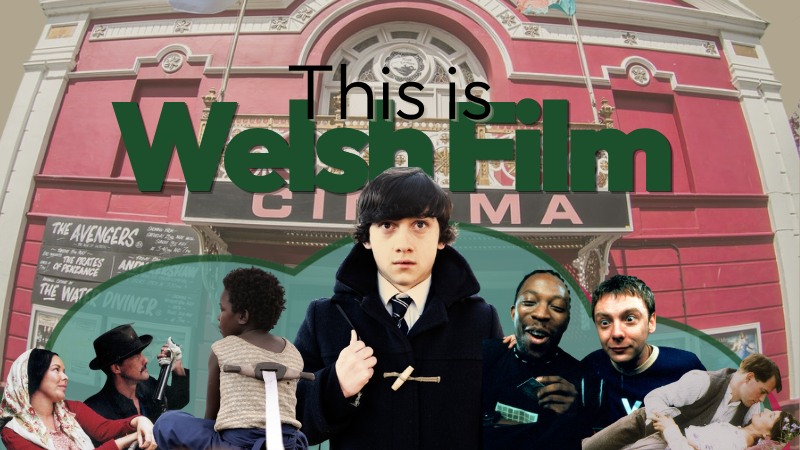
‘This is Welsh Film’ – Wales Celebrates 130 Years of Cinema
14th April 2026
Welsh cinemas are celebrating a significant anniversary this spring, with the first known film screenings taking place in Cardiff 130-years ago, in April 1896.
Wales’ big screens have been home to the pioneering Welsh films of William Haggar and Arthur Cheetham from the early 1900s, right through to the latest anticipated releases of 2026, such as Effi o Blaenau and Madfabulous.
To mark the occasion, Film Hub Wales is running activities throughout the year, including sharing the results of an industry wide survey which lays out the Welsh screen industries’ hopes for the future of Welsh film and a similarly themed Made in Wales podcast. There will also be a series of ‘cinema treasure’ blogs, giving audiences a look at historic and newly renovated venues and a list of some of the key Welsh titles from the last 13 decades, which will be available to screen in cinemas for a ‘This is Welsh Film’ season.
Hana Lewis, Head of Film Hub Wales, explains the significance of the anniversary:
“Cinema has evolved over the last 130 years, reflecting changes in society, new ways of storytelling and embracing digital technologies. It has remained a constant source of escapism, entertainment and connection. There are many ‘cinema treasures’ for audiences to discover in Wales, from The Monmouth Savoy to Brynamman Hall and more. We want to make 2026 a year of cinema, to thank them for their significant contributions to our communities, whilst also recognising the role of Welsh film itself and our hopes for the future of on-screen stories from Wales. In our recent industry survey, 97% of Welsh filmmakers told us that it was important to them that their film was seen on a big screen, so we can’t underestimate the value of cinema to production, as well as audiences.”
So where did it all begin? American Birt Acres first screened films privately for the Cardiff photographic society before going on to exhibit his films to audiences in Cathays Park, just pipping the renowned Lumiere Brothers to the post, as they brought their famous Cinematographe to Cardiff’s Empire Music Hall in May 1896. In June, Acres then shot the first film in Wales – a Royal Visit of the Prince of Wales (later Edward VII) to Cardiff.
Film Hub Wales’ ‘This is Welsh Film’ 130-year film package includes over 70 films reaching right back to 1898, including one of the most remarkable cinematic films of that time called “Conway Castle – Panoramic View of Conway on the L & N.W Railway”, courtesy of the Screen and Sound Archive at the National Library of Wales. Known as a sub-genre of film called ‘phantom train ride’, the locomotive was filmed from a truck as it ran through the tunnel, out into a spectacular panoramic vista of the Castle. Other films from across the decades include the first Welsh talkie ‘Y Chwarelwr’, and favourites such as The Proud Valley, Rhosyn a Rhith (Coming up Roses), Submarine, Gwledd and many more.
Film Hub Wales’ industry survey also revealed that 87% of respondents feel that there not enough films made in Welsh and there are not enough films about life in Wales, making it even more crucial to take a look back at some of the most influential films to be made in Wales, whilst also preserving Welsh screen culture.
Annie Grundy from Wales’ beloved cinema the Magic Lantern, which recently made Time Out’s top 100 cinemas in the world list, as well as winning the BIFA’s 2025 cinema of the year award, adds:
“Happy 130th Birthday to Welsh cinema – what an exciting year! We are also celebrating 125 years of films playing at the Magic Lantern – originally the ‘Assembly Rooms’ in Tywyn, Gwynedd. Our 125 film programme launched on 8th March with a talk about the history of the venue from the team’s very own Chris Richards. Like many of the fabulous cinemas in Wales, we look forward to digging into ‘This is Welsh Film’ and treating our audience to some screenings of the greatest films from the archive. It’s so important for our communities to see their culture and heritage on the big screen.”
Audiences can watch the ‘This is Welsh film’ season trailer now, as well as ‘cinema treasures’ videos and blogs from film exhibitors about their hopes for the future of Welsh film. They can also take a quick tour of The History of Welsh Cinema in this short resource created for the season, read the full Future of Welsh Film industry survey results, and follow Film Hub Wales for news of upcoming screenings.
Download the Press Release
WOW Wales One World Film Festival attends ICO: Developing your Sponsorship Strategy
Annita Nitsaidou from WOW was able to attend the Independent Cinema Office’s training course in London with help from our training bursary.
This short course from BFI FAN, provided practical steps to help festivals and exhibitors build a sponsorship strategy that can effectively build new financial partnerships. This in-person day was the third part of this course, with the previous two sessions being online.
“Attending the Independent Cinema Office’s Developing your Sponsorship Strategy training has shifted how I think about sponsorship: away from ‘help us fund things’ and towards ‘join us in making something meaningful happen.’”
Annita said that through the course she “learned how to clearly articulate WOW’s mission and audience impact in a way that resonates with external partners.” The course provided Annita with structure and guidance when thinking about approaching sponsorship opportunities for WOW festival’s specific rural audience. She came out more confident and strategically minded and is already implementing a new way of thinking surrounding her pitch materials.
The in-person day also provided Annita with an invaluable opportunity to network with other FAN members across the UK where she shared notes and honest ideas and feedback. Annita said “Overall, I returned to work with a sharper, values-led sponsorship approach that feels both more confident and more accountable to our communities.”
Read more about WOW.
Annita was able to attend this training course with the support of Film Hub Wales via our bursary scheme. If you want to attend a meeting, course or event that would benefit your organisation and develop audiences but the costs are prohibitive, you can request a bursary here.
BFI announces first details of increased £33.5m investment in Audience Development
11th March 2026
The BFI today announces the first details of the £33.5m pledged to Audiences over the next three years in the BFI National Lottery Funding Plan 2026-2029, representing a 20% increase from 2023-2026, to support the UK exhibition and distribution sectors. £10.8m is awarded to the BFI Film Audience Network (FAN) enabling 10 UK-wide strategic partners to deliver audience facing work, and £3m for the Open Cinemas fund which powers ESCAPES and has successfully attracted new audiences to independent cinemas across the UK through free regular screenings. A further £19.7m is allocated to the BFI National Lottery Audience Projects Fund to support a broad range of activity from distributors, exhibitors and festivals working across independent film and immersive, which is currently open for applications and initial awards will be announced in the coming months. This activity, supported by ‘good cause’ National Lottery funding, sees the BFI continue to invest and grow the activity it supports UK-wide to increase cinema audiences for UK independent and international film.
ESCAPES initiative renewed for three years following successful pilot which saw over 215,000 tickets claimed across 223 independent cinemas since 2024.
ESCAPES is the groundbreaking audience development initiative supported by BFI National Lottery funding which will receive £3m investment over the next three years. Hosting free and accessible cinema screenings at over 120 independent cinemas across the UK each month, ESCAPES engages UK distributors and exhibitors to expand audiences for independent film in cinemas.
Entertainment specialists elevenfiftyfive will continue to deliver ESCAPES which has seen over 215,000 tickets claimed for screenings in 223 locations since launching in February 2024. Audience feedback has reported that 33% of ESCAPES customers were new to the cinemas they visited, with 82% likely to return to the cinema they visited for a paid visit and 84% of those planning to return, pledging to revisit within three months. ESCAPES will continue to grow the number of participating sites and screen a broad spectrum of films – from new releases such as February’s screenings of BAFTA-nominated prison thriller Wasteman, to cult classics, such as iconic French rom-com Amelie which screens in March as part of National Lottery Open Week ahead of its 25th anniversary re-release.
EIGHT UK-wide BFI Film Audience Network Hubs receive £10.8m over three years, representing 9% increase on previous 3-year period.
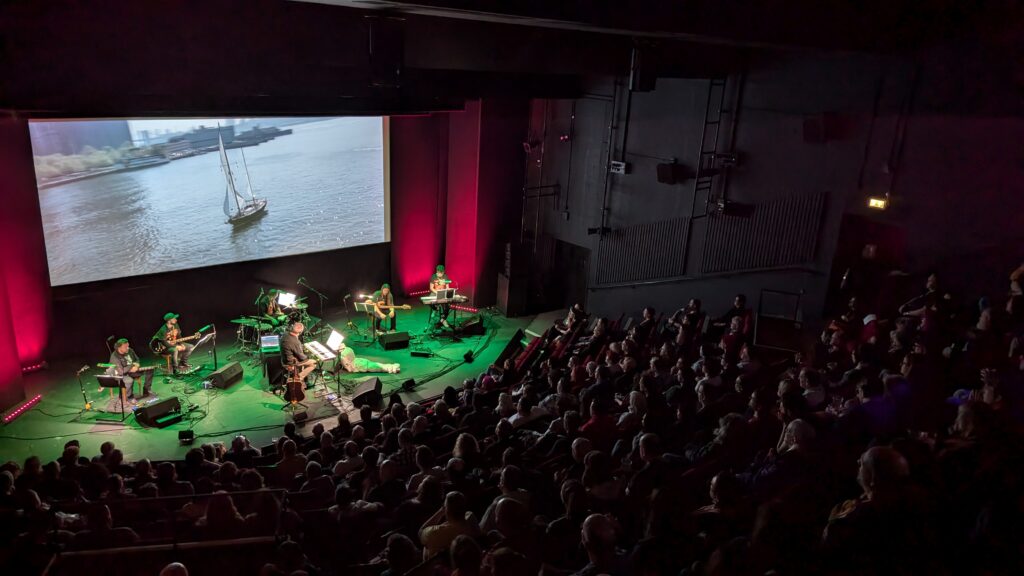
The 10 UK-wide strategic partners managing BFI FAN activity in eight Hubs across the nations and English regions have been renewed and will collectively receive £10.8m over the next three years, representing a 9% increase on the previous 3-year period from 2023-2026. Over that period, FAN has funded over 1000 audience facing projects in over 1500 locations across the UK.
Activity has included local and specialist film festivals, rural touring schemes, and a diverse range of projects delivered in communities across the UK, including the Cine North initiative which provides access to screen culture in 35 villages across Northern England, the Abertoir Horror Festival in Aberystwyth and the Rainbow Film Festival which screens films by and for the Bangladeshi communities of East London. The BFI FAN Hubs will also continue to provide a talent development offer for early career filmmaking talent in the English regions as part of BFI NETWORK, with details published in the coming months.
The 10 strategic partners renewed to manage BFI FAN activity in the nations and English regions are:
- Film London in London
- Broadway in Nottingham in partnership with Flatpack in Birmingham in the Midlands
- Showroom in Sheffield in partnership with HOME in Manchester in the North
- Queen’s Film Theatre in Belfast in Northern Ireland
- Glasgow Film Theatre in Scotland
- The Independent Cinema Office in the South East
- Watershed in Bristol in the South West
- Chapter in Cardiff in Wales
SPOTLIGHT programme will invest in newly identified culturally underserved areas to improve access to screenings of independent film.
Each BFI FAN hub will continue to deliver the SPOTLIGHT programme in newly identified areas across the UK, boosting audience choice and improving access to independent film where there is currently very limited public access to film screenings. The SPOTLIGHT areas set to receive support for 2026-2029 are:
- Film Hub London: Redbridge & Enfield (previous SPOTLIGHT area of Barking & Dagenham will also continue for a further year)
- Film Hub Midlands: Ashfield, Bolsover, Chesterfield and Mansfield, in partnership with Flatpack Festival
- Film Hub North: Hull, in partnership with Hull Independent Cinema, plus Blackburn with Darwen, Rochdale and Oldham
- Film Hub Northern Ireland: Derry/Londonderry and surrounds, in partnership with Nerve Centre
- Film Hub Scotland: Fife & Clackmannanshire, in partnership with OnFife
- Film Hub South East: Luton
- Film Hub South West: Cornwall with a focus on the East, North and Camborne, in partnership with Creative Kernow
- Film Hub Wales: South West Wales, in partnership with WOW Wales on World Film Festival
This hyper-local approach to audience development was initiated in 2023 and creates new opportunities for communities to enjoy access to screen culture where previously there was little or none. The programme has facilitated the development of several new community cinemas, including Sinema Llangoed on The Isle of Anglesey/ Ynys Môn, and supported the launch of new festivals, such as the Peterborough Bengali Film Festival. The recent PictureEast and Elgin Film Festivals showcased the work of Spotlight partners in Newham, Barking & Dagenham, and Moray Firth respectively and are intended to provide a future legacy for audiences.
In addition to delivering SPOTLIGHT, FAN will continue to invest in local exhibitors and deliver professional development opportunities to its members. Over £3.3m of National Lottery funding has been ringfenced over 3 years for Hubs to support a wide range of audience facing exhibition activity across the UK and many of these opportunities are now open via individual Hub websites. FAN will also be offering courses on marketing, audience development, programming, and technical skills to support skills development across the FAN membership. The second edition of the UK-wide exhibitor conference, BFI FAN CON, will take place at Tyneside Cinema in Newcastle, from 7-9 September, aimed at connecting the full spectrum of film exhibitors – from small community cinemas and touring collectives to large multi-screen independent cinemas and landmark film festivals. Offering networking opportunities and panel discussions with sector experts, the conference provides an opportunity to discover fresh ideas for reaching and engaging audiences.
Ben Luxford, Director of UK Audiences at the BFI, said:
“With the 20% increase in investment in audiences for 2026-2029, we are committed to building cinema audiences and securing a sustainable, vibrant future for the sector. Our UK-wide audience development strategy is three-fold to ensure maximum public benefit: The BFI Film Audience Network to deliver funding and leadership at a local level; the BFI Audience Projects Fund to enable events of national scale; and ESCAPES which ensures there is a regular, accessible offer for the public that also helps us respond to our industry’s need to grow new audiences for independent film. As always this funding is delivered in partnership with organisations committed to audience development across the UK and we’re continually grateful to them for their continued energy and engagement. See you at the cinema.”
Continuing to support this UK-wide structure also responds to a consistent message heard throughout the extensive consultation with public and industry undertaken to develop the strategy: that every part of the country has a different set of needs, opportunities and challenges around screen culture, and local organisations are best placed to respond to these. Further UK-wide partners will be announced in the coming weeks, as recipients of National Lottery funding to support skills and education activity which will complement this work. Alongside BFI FAN, support of the exhibition and distribution sector is available via the BFI National Lottery Audience Projects Fund which is currently open for applications.
A collaboration of ten leading venues or film organisations representing the UK nations and regions, the BFI Film Audience Network supports a stronger and more connected approach to growing audiences for UK and international film on the big screen. FAN has over 1,700 members comprising cinemas, festivals, mixed-arts venues, community cinema and film archives, which can access training, funding, programming support and network opportunities.
Welsh Films to Watch in 2026
6th January 2026
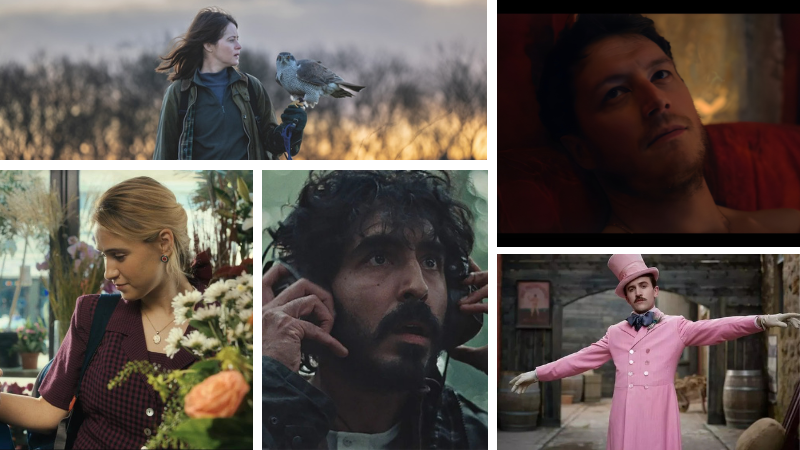
From life in Blaenau Ffestiniog through the eyes of Effi, to an out-of-this-world ‘Roswelsh’ incident in a Welsh seaside town, new stories from Wales are set to hit cinema screens in 2026.
Go on a journey of self-discovery this year as you connect with characters from Port Talbot’s steel town to hand rakers on the mussel beds of Anglesey. Find feel-good films, eye-opening docs, plus some revenge, mayhem and more – all with Welsh connections from locations, to cast and behind the scenes talent.
Starting off the year with its release on January 23rd is biographical drama H is for Hawk, produced by Cardiff’s John Giwa-Amu (The Man in My Basement). The film tells the true story of Helen Macdonald (Claire Foy), a woman mourning the death of her father (Brendan Gleeson) who finds solace in her friendship with a stubborn goshawk named Mabel.
Joedi Langley, Interim Head of Creative Wales looks back on the Welsh films of 2025 and ahead to their support in 2026:
2025 has been a phenomenal year for Wales-made films, from taking Richard Burton’s origin story to the world in Mr Burton, to The Man in My Basement which was showcased at the Toronto Film Festival and Sundance-nominated feature Brides, to name a few. The next year is also gearing up to be exciting, kicking off with the January release of the beautiful H is for Hawk, alongside the true story of the 5th Marquess of Anglesey, Henry Paget, in Madfabulous and the first Welsh-language feature film Effi o Blaenau co-funded by Creative Wales and S4C, which is currently finalising a festival run. Creative Wales is committed to giving this growing sector the vital support it needs to continue to thrive, through funding and connecting creatives within the industry with programmes to ensure Welsh films are given a platform to be enjoyed by audiences within Wales and around the world.
Also due in 2026 are various place-based films that give audiences insight into life in Wales. We have not one but three titles centred around Ynys Môn (Anglesey). Firstly, On the Sea, which follows Jack and his family as they hand rake the mussel beds. In this remote, rural community where life revolves around Church and fishery, Jack falls in love with itinerant deckhand Daniel. We also have the highly anticipated Madfabulous from North Wales production company Mad as Birds. The film depicts the life of the wonderfully eccentric 5th Marquess Henry Cyril Paget. Filmed on location on Ynys Môn, as well as Caernarfon and Pwllheli, the film stars Welsh actor Callum Scott Howells alongside Rupert Everett and Siobhán McSweeney. It’s directed by Ynys Môn’s own Celyn Jones. Finally, Ynys Môn-shot thriller Black Church Bay from Welsh/Irish director Rhys Marc Jones, starring Welsh actor Tom Cullen. A respected teacher’s life unravels in a remote coastal village, when the sixth form student he’s in a secret relationship with, disappears.
Actor and Director Celyn Jones, who was involved in all three productions, celebrates this moment for Ynys Môn on screen:
Three films – all Anglesey-based and all different and all intended for the big screen. From Helen Walsh’s gorgeous and moving drama (On the Sea) about love in all its forbidden and celebrated shapes, to the scale, beauty, emotion and heartbreak of my love letter to home (Madfabulous) and the darkly tragic and vital script of Black Church Bay. It’s about moments where people come together to make something. It’s about the human connection in the endeavour of filmmaking. It’s a viable industry that has places for all who want in and we have a seat at that table… Anglesey has a seat! That’s why I will never stop cheering and hustling and making work that has Ynys Môn written through the centre like a stick of rock.
Heading over to Blaenau Ffestiniog, we meet Effi o Blaenau. Featuring Leisa Gwenllian in the title role and directed by Marc Evans (Mr Burton), this is a big screen adaptation of Gary Owen’s modern Welsh classic play Iphigenia in Splott. Grappling with her weekly loop of unemployment, clubbing and hangovers, Effi has a chance encounter in a Llandudno nightclub with injured soldier Lee, briefly opening a door to something better. For a moment, Effi glimpses a life she never imagined. The reality that follows is far tougher.
For the environmental horror fans out there, we have Welsh director Craig Roberts’ highly anticipated The Scurry. Filmed at Dragon Studios in Bridgend, starring Rhys Ifans and Ella Purnell, it’s the story of two pest controllers who encounter an avalanche of deranged squirrels, wreaking revenge on the staff and visitors at an eco-country park. For those who like their frightful films more melodic, there’s Stuffed, an original new musical-horror-romance shot in South Wales starring Jodie Comer as a brooding taxidermist whose secret ambition is to stuff a human specimen. On a more mythical Welsh folklore horror front, we have Rabbit Trap, released on January 30th. Set in the 1970s, it follows a married couple (Dev Patel and Rosy McEwen) who relocate to an isolated Welsh cabin where they accidentally disturb a Tylwyth Teg fairy ring and are visited by a mysterious child who appears to have ill intentions for them.
For a family-orientated cinema trip, Out There promises to be a feel-good, comedy, sci-fi as 16-year-old amateur astronomer Maz spots a UFO over her sleepy Welsh seaside town. Dragging along her sceptical best friend Cari, as well as Michael Sheen’s unhinged ufologist, Maz uncovers a truth she’s not prepared to face. Learning to Breathe Underwater is a new comedy drama, co-produced by Cardiff-based One Wave Films (Still Pushing Pineapples), about eight-year-old daydreamer Leo who lives with his eccentric artist father. Leo’s life is suddenly changed overnight however by the arrival of Anya, a spirited Bulgarian au pair.
For documentary lovers, 2026 promises fascinating factual stories from two prominent Welsh producers. Smoking Shores, from Truth Department’s Dewi Gregory and executive producer Michael Sheen, explores one of the UK’s last great steelworks in Port Talbot via a group of local surfers, raising themes of deindustrialisation, decarbonisation and mental health, as well as our symbiotic relationship to nature. Meanwhile, Welsh producer Rob Alexander follows disabled actor/writer David Proud in Proud. He longs for a family, but the fertility techniques he needs to access are designed to engineer “healthy children” and screen out disabled people like him. What does this mean for people like David, potentially facing their own ‘extinction?’
With even more titles to come, such as a punk exploration of the psyche in the thrilling Mission, to a battle against evil for a new mother in Unspeakable, there’s plenty to choose from.
Hana Lewis, Head of Film Hub Wales explains why Film Hub Wales’ Made in Wales project supports releases such as these:
We know that it’s important to Welsh cinemas and their audiences to be able to connect with stories that reflect their lives, their communities and their language, as well as films from Welsh storytellers that bring the international world to their doorsteps in Wales. Our aim is to help those stories to reach people, ideally in a collective cinema setting, ensuring that once a film is made, it’s also seen.
Film Hub Wales’ Made in Wales (MIW) project celebrates films with Welsh connections. It offers a host of year-round activities in partnership with Welsh exhibitors, including a film catalogue, which hosts information on over 1000 shorts and feature films. Audiences can keep up to date with news of upcoming Welsh releases and the latest interviews by following Made in Wales on Instagram, Facebook, TikTok, the Made in Wales podcast, YouTube and Letterboxd.
MIW is made possible thanks to funding from Creative Wales and the support of BFI Film Audience Network (FAN), awarding National Lottery funding. BFI FAN offers support to exhibitors across the whole of the UK, to boost cultural programming and engage diverse audiences. In Wales, activity is led by Film Hub Wales, managed by Chapter.
– ENDS –