Neuadd Dwyfor Classic Film Club Case Study

Building on the success of their Classic Film Club, from May 2025 to March 2026 Neuadd Dwyfor expanded their offering to include extra activities like archive shorts before features, quizzes, discussion groups and Q&As as well partnering with local food outlets.

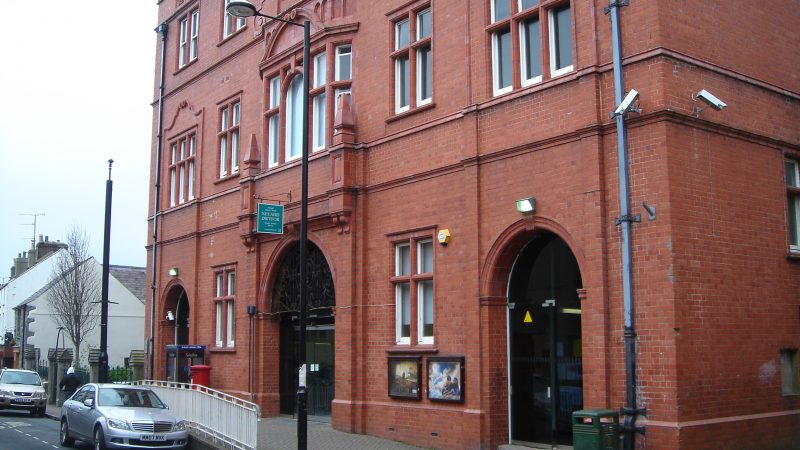
Neuadd Dwyfor is a theatre, cinema and library located in the heart of Pwllheli. Serving a largely rural community with a predominantly Welsh-speaking population.

The cinema programme offers a mixture of major studio releases and independent films, with a strong commitment to British cinema. We ensure that Welsh-made and Welsh-language films are available and accessible to local audiences.

Working closely with a range of partners to deliver inclusive and accessible community screenings, helping to broaden participation in film and cultural activities.

As Pwllheli is currently a strategic town within Gwynedd, they also work collaboratively with local businesses, organisations and community partners to support the area’s economic development. Through the programme and partnerships, they aim to contribute to the cultural, social and economic wellbeing of the town and its surrounding rural communities.

  • Reach a diverse audience and introduce them to a wider range of independent and classic films, while providing a unique and memorable cinema experience. The films were chosen by a committee, made up of community members, as well as audience suggestions – meaning that local people with lived experience were directly involved and supported to programme the venue.
  • Strengthen connections with other businesses in Pwllheli, supporting the local economy through partnerships with food outlets and embedding our activities within the local community.
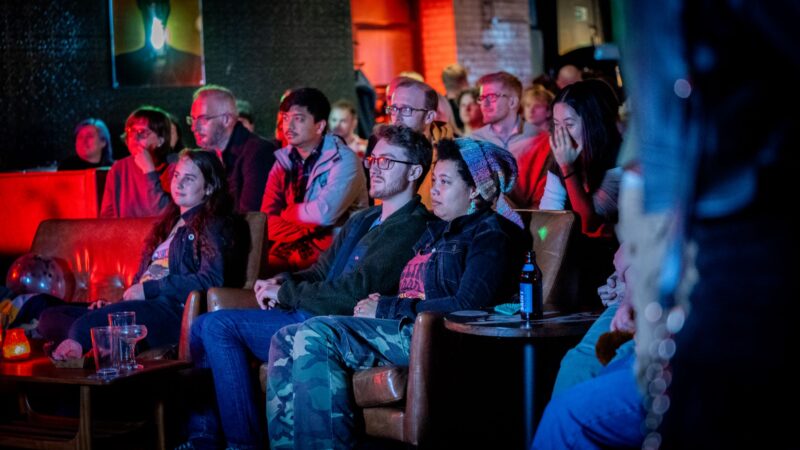
  • Offering more than a traditional film screening, creating a welcoming social event that encourages community engagement and attracts both regular attendees and new audiences.
  • Welsh titles such as Oed yr Addewid, Hedd Wyn and O’r Ddaear Hen, ensuring local audiences had opportunities to engage with Welsh stories, culture and language on screen.
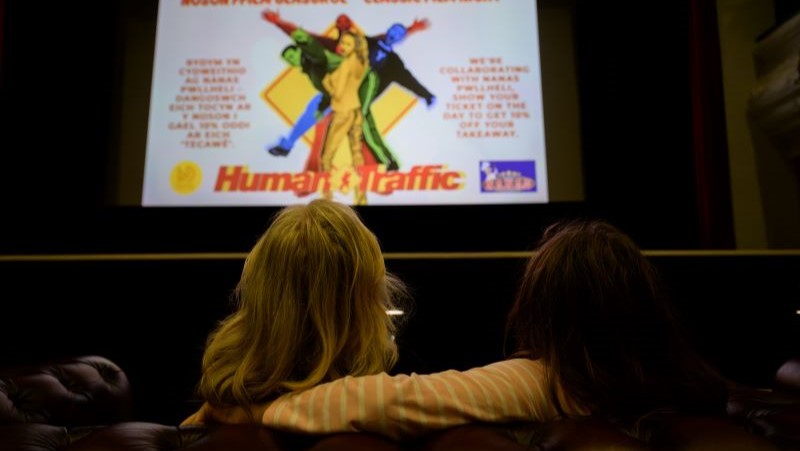
  • Showcased a range of independent films representing different cultures, perspectives and heritage, including Kneecap, Human Traffic and Educating Rita.
  • In addition to feature films, a selection of short and archive films were screened that complimented feature screenings. These included The Flowers Stand Silently from the National Library of Scotland and archive films from Llŷn and Eifionydd provided by the National Library of Wales.

What are you most proud of?

  • One of the project’s greatest successes was championing Welsh films and bringing them to local audiences, ensuring that Welsh stories, culture and language were represented on screen within our community. Exceeding target admissions by 240%!
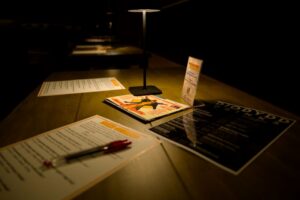
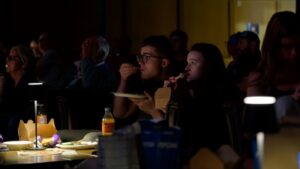
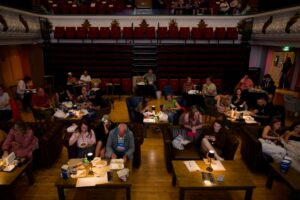
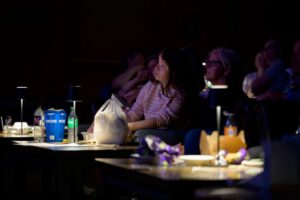
  • The project also allowed the venue to offer something different – transforming the usual cinema space into a more immersive and social experience through live music, quizzes, presentations and themed activities.
  • Working with a local people to embed their film choices, as well as a range of external partners helped to enrich the events, strengthen community connections and support local businesses. These collaborations demonstrated the value of partnership working when delivering engaging cultural experiences, creating a sense of community ownership.
  • The project has created a lasting legacy and helped develop audience confidence in attending independent, Welsh-language and heritage film screenings, while also providing a strong foundation for the continuation of this type of programming in the future.

What was most challenging when putting your ideas into action?

  • Working with the film group committee presented some challenges, as members often required guidance and encouragement to consider films beyond more familiar mainstream titles. This is reflected in some of the final programme selections.
  • Collaboration with external partners was also demanding at times, requiring significant coordination and communication. In addition, delivering the project placed considerable pressure on Neuadd Dwyfor’s small team, which had to balance these activities alongside its existing workload. Despite these challenges, the project strengthened local partnerships and provided valuable experience for future community-led programming.
  • Working with community groups became challenging due to the limited capacity of the in‑house team. They were particularly enthusiastic about collaborating with Eastern European communities, especially given the historic local connections with Polish refugees dating back to the Second World War. Unfortunately, a lack of resources and specific cultural knowledge meant they were unable to fully achieve these objectives during this period.
  • However, moving forward, they are committed to pursuing this area of outreach more effectively. With an aim to develop meaningful collaborations with Polish and Ukrainian communities local to Neuadd Dwyfor, ensuring that engagement is better supported, better informed, and more sustainable.

What difference did the funding make to this project?

  • Developing new and reliable audiences for classic cinema was a key focus that couldn’t have been achieved this without funding. With a small team and limited capacity for community outreach, the support enabled curation of a diverse selection of independent titles. These films were supported strategically by a small number of mainstream crowd‑pleasers, appealing to both dedicated film enthusiasts and more casual audiences. This balance introduced viewers to older, lesser‑known films while still retaining the broad appeal needed to build momentum and trust in the programme.
  • Focusing on creating a welcoming and consistent offer by partnering with local businesses and creating added value to the screenings which in turn encouraged audiences to return to explore a wider range of classic genres. Over time, this nurtured a community of returning customers interested in the film programme and confident in trying titles they may not have considered before.
  • Developed new and meaningful connections with other organisations and businesses across Pwllheli and the wider region. This enabled collaboration on a range of initiatives that benefited audiences and created a more bespoke experience. Through these partnerships, unique discounts, tailored activities, and special experiences were curated that made programmes more accessible and appealing to local people.
  • Securing a number of special prices at local eateries. In addition, expanding outreach through new partners such as local educational establishments and retail outlets within the town. This collaborative approach not only strengthened their network within the area but also highlighted the value of working together to support cultural engagement within both the venue and the wider community. It encouraged participation—both as a venue and amongst customers and ultimately enhanced what Neuadd Dwyfor can offer.

How was your project received by audiences?

  • What proved particularly interesting about the project was the number of returning customers who came back month after month to watch the classic films. There was a genuine sense that audiences were embracing the concept and were willing to challenge and broaden their own expectations of cinema.
  • Alongside this loyal classic‑film audience, there was an increased engagement from younger people (under 25) who were keen to expand their film knowledge and explore titles beyond mainstream releases. This blend of returning patrons and new, curious younger audiences demonstrates one area of success for the project.

Did the project have other impacts for your community beyond watching films?

  • The project allowed the team to work outside of their usual programming and the parameters of the building.
  • Beyond the film screenings themselves, the project helped to strengthen community connections and encourage greater engagement with local businesses. Through partnerships with food outlets, audiences supported the local economy by purchasing meals before attending events. The film nights also created opportunities for people of different ages and backgrounds to come together in a relaxed social setting, helping to reduce isolation and foster a greater sense of community.
  • The additional activities, including quizzes, live music and film-related presentations, provided opportunities for learning and discussion, encouraging audiences to engage more deeply with film and culture. The project also helped raise the profile of Neuadd Dwyfor as a community-focused venue, attracting new visitors and introducing audiences to activities they may not otherwise have attended. Through working with staff, committee members and local partners, the project strengthened local networks and built confidence in delivering future community-led cultural events.

What can you and other Hub members learn from your experience?

  • The importance of taking risks and being willing to use the venue in different and creative ways. By developing a film night that combined screenings with live music, quizzes, presentations and local food partnerships, they created a much richer audience experience than a traditional cinema screening.
  • The value of experimenting with new ideas and building partnerships within the local community. Working with local businesses helped broaden the event’s appeal and strengthened community connections. While not every aspect of the project was straightforward, trying new approaches enabled them to reach different audiences, learn what works best, and identify opportunities for future development.
  • Being open to collaboration, embracing innovation and stepping outside established ways of working can lead to successful and engaging cultural events that have a wider impact on the community.

“I adore Neuadd Dwyfor for its beautiful blend of rich history, warm community spirit, and vibrant, accessible arts and cinema housed in a charming Grade II-listed building. The staff are always welcoming and inviting.”Audience member

“It’s a great cinema that is focused on the community. I’ve been going here since I was a young child and my grandomther who lives in Pwllheli still goes regularly in her late 80’s – they offer films and events for people of all ages and interests, from new blockbusters to old classics. It’s also great that the old classics are shown in the morning/lunchtime to suit the older generation who might not wish to venture out in the evenings. I don’t have children myself but am aware that they make extra effort to tailor towards young families during the school holidays etc. as well. The building itself is lovely and plays a stong part in the community of the town of Pwllheli. It’s recently been upgraded which has brought new life into it and makes it feel more like a cinema rather than a traditional town hall (especially the entrance where the drinks and snacks are on sale). They’re doing amazing work and long may it continue.”Audience member

“The cinema is a hub of social activity in a rural area. It’s a friendly environment and its innovative in their programming film offerings and scheduling. Brilliant place.”Audience member

“They treat you like family. We are a disabled couple, and they can’t help us enough. They assist with ordering and carrying items to chairs. Always happy to chat before and after film making it feel like you’re visiting friends not a business. Honestly, I’ve been to cinemas all over the world and this is the friendliest most thoughtful and welcoming I’ve been to. Their choir of film is inclusive and diverse with plenty of scope.”Audience member

The idea was also presented at Film Hub Wales’ annual Hub Helo member event:

“Listening to Neuadd Dwyfor talk was fascinating – their presentation on how they have themed each event to was inspiring. It was a new take on how to get new and perhaps younger audiences engaged with classic film.”Hub Helo attendee

Neuadd Dwyfor is an active member of Film Hub Wales. With support, they have previously delivered a range of programmes including special community screenings of local Llyn and Eifionydd archive films with historical photography exhibition.

For the Classic Film Club project they were awarded £3000 from the Film Exhibition Fund.

^
EN
Film Hub Wales | Canolfan Ffilm Cymru
Privacy Overview

This website uses cookies so that we can provide you with the best user experience possible. Cookie information is stored in your browser and performs functions such as recognising you when you return to our website and helping our team to understand which sections of the website you find most interesting and useful.