Why we can’t afford to lose Welsh Cinemas
By Hana Lewis, Head of Film Hub Wales, first published in Business Insider Wales
I spend a lot of time thinking and talking about the business of cinema going. I lead a project at Chapter Arts Centre called Film Hub Wales, one of 8 UK Hubs supported by the BFI Film Audience Network, awarding National Lottery funding. Our job is to fund, train and advise Welsh cinemas, film festivals and community screens.
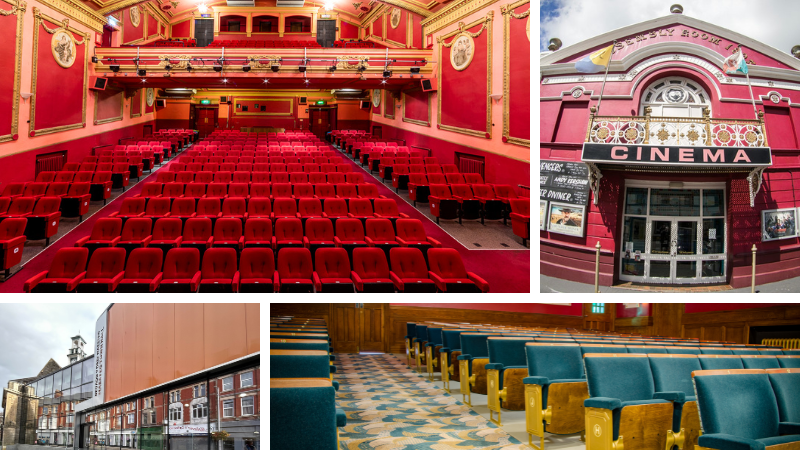
Sometimes when I explain what I do, people ask me – ‘is the era of cinema not over?’ My answer is always the same. Absolutely not. In fact, in April 2026, cinemagoing in Wales celebrates 130 years, with sites like Neuadd Dwyfor (Pwllheli) approaching their 125th anniversary and Brynmawr Market Hall at their one hundred and thirty-second. Their time is far from over, in fact, they’ve evolved to the ever-changing needs of our communities and in many cases, become the heart of the high-street and local economy.
People are also often surprised to hear that we have more than 80 Welsh commercial, independent and mixed arts venues, with a commitment to cinema. In some other predominantly rural nations you might find one or two cinemas but not in Wales. The established venues largely follow the coastal path, meaning they play an important role for tourism. They might be one of only a small number of places open to holiday makers that show the cultural history of Wales, as well as offering entertainment services, from bars to cafés and special events. Their activities often benefit surrounding charities and businesses, such as hotels and restaurants.
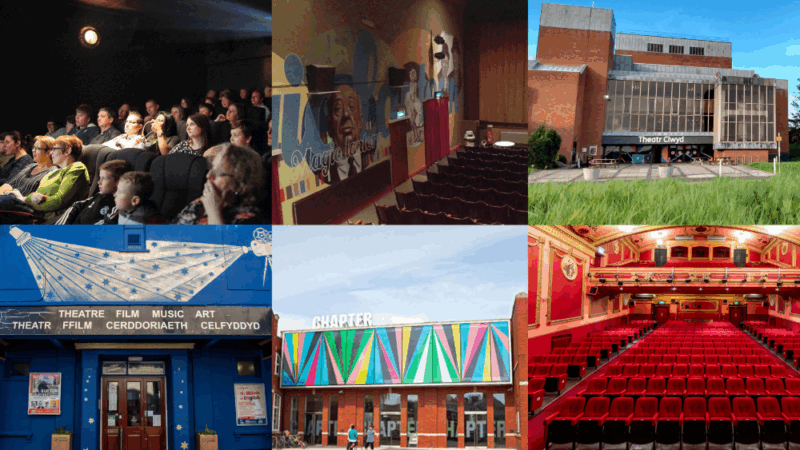
It should be enough that they bring the best UK, including Welsh, and international film to audiences across Welsh doorsteps but they don’t stop there. Cinemas often offer a rare chance to work in the creative industries in both rural and urban parts of Wales. The Magic Lantern cinema for instance, develop the careers of young creatives in Tywyn. They also offer services such as food and companionship for vulnerable members of the community on national holidays. My local cinemas certainly didn’t offer this when I was growing up. The BFI and Creative PEC’s 2023 report which measured the economic value of cinema found that the estimated market benefits expressed through Gross Value Added to the UK economy, is £1.18m per cinema per year. Furthermore, each local UK cinema generates around £600,000 in added social value annually.
A series of wider reports, including the UK Culture, Media and Sport Committee and a Welsh Parliament Committee report on A Decade of Cuts, also recommended increased Government funding for cinemas to recognise the vital role they play at the heart of communities, as well as investment into wider cultural spending in Wales.
We literally can’t afford to lose these vital spaces but arguably, we continue to overlook their contributions. Our screen sector in Wales is a production focussed one. 2024 statistics from Creative Wales showed an annual turnover of £1.7 billion in that year alone. The Creative Industries are undoubtedly a powerhouse for Wales. Since 2020, £35 million in funding1 has been awarded to 74 screen and digital projects. Sustained funding for film exhibitors to engage with works such as these (as well as all their wider film programmes) is essential, to give films a chance of reaching audiences and making a return on investment.
If we fail to support our cinemas, this arguably has an impact on the future of Welsh film itself. How will audiences know to seek out these films and spend in local spaces, if we don’t invest in the mechanisms that enable them to be seen? With the support of the BFI and Creative Wales for our Made in Wales project, we are working to explore how we can better promote Welsh films in cinematic environments. In our recent Future of Welsh Film Survey, 97% of filmmakers said it was important to them that their films are seen on a big screen but we have limited Welsh funds to support the distribution or marketing of films here. So cinemas have a big job to do. With around 26 films released daily worldwide, the competition for screen space is fierce. Cinemas have to work hard to balance the creative, cultural and economic decisions that keep their doors open.
Cinema admissions saw a 2% increase from 2023 to 2024 but have not yet returned to pre-pandemic levels. We can’t take them for granted. When we have impressive sites like the newly renovated Clwyd Theatr Cymru or Maesteg Town Hall to choose from, as well as cinema treasures like the Monmouth Savoy and Brynamman Hall, it’s hard to understand why we ever would. The Magic Lantern even brought home the BIFA UK cinema of the year award in 2025, beating over 130 UK entries. Never underestimate Wales, or the power of a cinema with a community behind it. In the words of our friend, colleague and Welsh cinema pioneer Emyr Glyn Williams, ‘cinema belongs to all of us’.
Hana is a film exhibition specialist, having led the Hub since 2014. Before this, she worked in exhibition for a number of organisations across the UK from Ffilm Cymru Wales to the Cinema Arts Network, Flatpack Film Festival and Leeds International Film Festival. She has an MPhil in American Film and literature from the University of Birmingham. Find out more about Film Hub Wales on their website.