Inclusive Cinema Strategy – BFI FAN (2017-2023)

Film Hub Wales led the Inclusive Cinema Strategy
on behalf of the BFI Film Audience Network (FAN) here in Wales from 2017 – 2023

The project supported accessible cinema approaches across the UK,
working with partners to deliver a number of national access projects. 

This page contains all the key resources created during the project, such as Working Class Inclusion, T.L.C (aka Tender Loving Care for Trans-Led/Trans-Loved Cinema)Sidecard (a Film Access Materials Database):

Diversity and inclusion underpins every project undertaken by the ground-breaking work of the Rhwydwaith Cynulleidfa Ffilm (RhCFf). The Network aims to reach new audiences and increase access to screen culture for all, regardless of any barriers they may face.

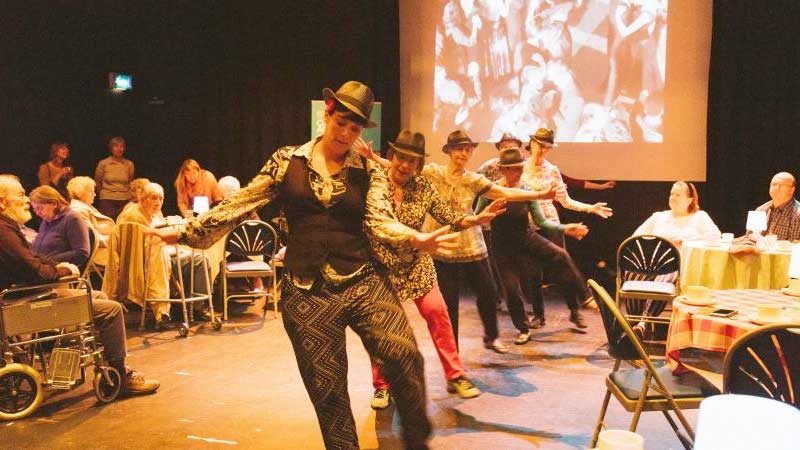
Placing access at the heart of Inclusive Cinema, we launched a collective strategy designed to support audiences with additional needs. Aims were to:

  • Support successful accessible screenings models FAN wide, encouraging sustainable long-term delivery,
  • Share learning via a UK wide online resource (the Inclusive Cinema website), offering multiple toolkits and reducing duplication,
  • Provide training with expert partners, access champions and stakeholders,
  • Continually analyse and develop models, learning as we delivered,
  • Highlight and leverage further funding for accessible screenings,
  • Raise awareness and further education for audiences, stakeholders and wider partners,
  • Advocate for and support the implantation of raised standards, such as the delivery of accessible formats, and environments that are welcoming and inclusive,
  • Develop further research and gather audience feedback where there are noticeable gaps across the sector.
  • Created an online resource (the Inclusive Cinema website) to act as a benchmark and go-to place for future activity,
  • Toolkits and how-to guides to support film screenings, covering practicalities such as marketing and achieving the BFI Diversity Mark of Good Practice,
  • Workshop and activity guides,
  • Offered funding guidance for ambitious projects,
  • Partner contacts to provide expertise and support,
  • Evidence to share with colleagues and funders,
  • Training to build confidence when working with diverse groups,
  • Networking opportunities to meet with peers who are running inclusive screenings,
  • Awareness-raising programmes to build the visibility of inclusive cinema and to represent diversity on screen,
  • Support to providers exploring new screening programmes.

Read a round-up of Inclusive Cinema’s journey in our interview with Project Manager Toki Allison:

^
CY