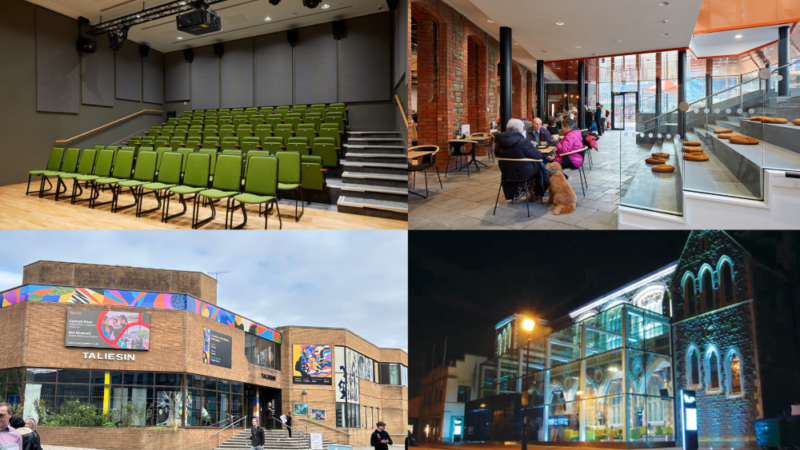
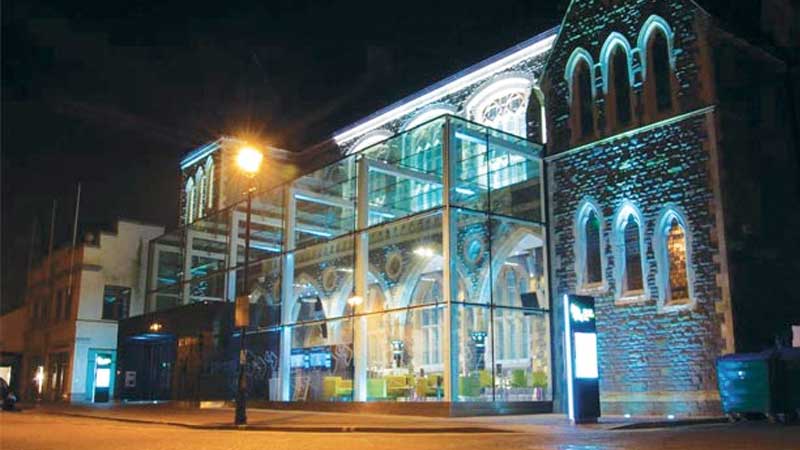
In 2025, Gwyn Hall in Neath was one of three venues which took part in a pilot BFI FAN ‘Places Fund project, which included a series of marketing initiatives that encouraged local people to make the most of their community spaces.

Gwyn Hall identified that they were struggling to engage a younger audience. To address this, they worked with Mustard Studio who suggested launching a Young Programmers Group, empowering young people to shape the cinema’s programming and directly reach their own peers.

Read on to learn about Jamie’s (Assistant Manager) experience…

Gwyn Hall gave a group of young people the opportunity to learn how cinema programming works by planning and delivering their own public film events. Over the course of the scheme, participants selected films, developed marketing and added-value activities, worked with budgets and helped deliver three screenings as part of the Gwyn Hall film programme.

The team at Gwyn Hall embraced the idea enthusiastically and Assistant Manager, Jamie Hughes, took the lead. Mustard provided support through two online sessions covering the essentials of creating and running a young programmers group, alongside resources like session plans, participant brochures, and templates, as well as ongoing guidance throughout the 9-month programme.

The main aim was to introduce young people to the film exhibition industry and give them practical experience of what happens behind the scenes at a cinema. We wanted participants to understand that cinema programming is about much more than simply choosing a film; it involves understanding audiences, working with distributors, budgeting, marketing, event planning and creating experiences that encourage people to attend.

  • My Bloody Valentine,
  • The Wicker Man
  • Creature from the Black Lagoon (the group were big classic horror fans).

I am particularly proud that the group were able to take their ideas from the initial planning stage through to actual public events. They gained experience of working with real budgets, creating marketing materials, developing ideas for audiences and seeing the financial results of their decisions. The three events also generated a combined net profit of £260.18, demonstrating that the participants were able to create commercially viable events while learning valuable skills

One of the biggest challenges was helping participants understand the practical realities of turning a creative idea into a viable cinema event. Ideas have to work within budgets, film rental costs, licensing availability, marketing requirements and, perhaps most importantly, the potential audience for the film.

This became particularly apparent when planning the third screening. The group originally wanted to screen the original Point Break, but we were unable to secure the necessary licence. They then selected Zoolander as an alternative. However, ticket sales were much lower than anticipated, highlighting another important reality of film programming: a film that the programmers are passionate about does not necessarily have an audience willing to buy tickets.

With just over two weeks until the planned screening, the group made the decision to change the film again, eventually selecting Creature from the Black Lagoon. They had to quickly develop a new event concept and marketing campaign around the replacement film.

Although this was challenging, it became one of the most valuable learning experiences of the entire project. The participants experienced first-hand the realities of film licensing, audience demand and the need to be flexible when a programming decision does not work as expected.

The first screening, My Bloody Valentine, also resulted in a small loss, providing another valuable lesson about balancing creative ideas with expenditure and potential ticket sales. By the end of the scheme, the participants had experienced both the creative and commercial sides of cinema programming.
The screenings were well received, with audiences responding positively to the additional elements and the fact that the events offered something different from a standard cinema screening.

It gave young people an opportunity to have a direct input into the cultural offer at Gwyn Hall and to see their ideas being experienced by members of their local community.

One of the biggest lessons from the project is the value of giving young people genuine responsibility rather than simply asking them for opinions. Allowing participants to make real programming decisions and work with real budgets made the learning experience much more meaningful.

Founded in 2020, Mustard Studio works for the cinema and film sector and uses strategy and creative knowledge to build brands, audiences, campaigns and cinemas. We collaborate with industry start-ups and established companies to develop their business and offer specialised consultancy services such as programming and sustainability workshops. We practice business growth with purpose, delivering tangible results while looking after people and the planet.

For this project, Mustard Studio worked with Suzy Gillett, who brings extensive experience in curating and mentoring young film programmers. Having created and led the Barbican Young Film Programmers group, now in its 11th year, and launched the Chronic Youth Film Festival, Suzy adds a proven track record in empowering young voices in cinema, ensuring both practical know-how and inspirational guidance.

EN
Film Hub Wales | Canolfan Ffilm Cymru
Privacy Overview

This website uses cookies so that we can provide you with the best user experience possible. Cookie information is stored in your browser and performs functions such as recognising you when you return to our website and helping our team to understand which sections of the website you find most interesting and useful.